
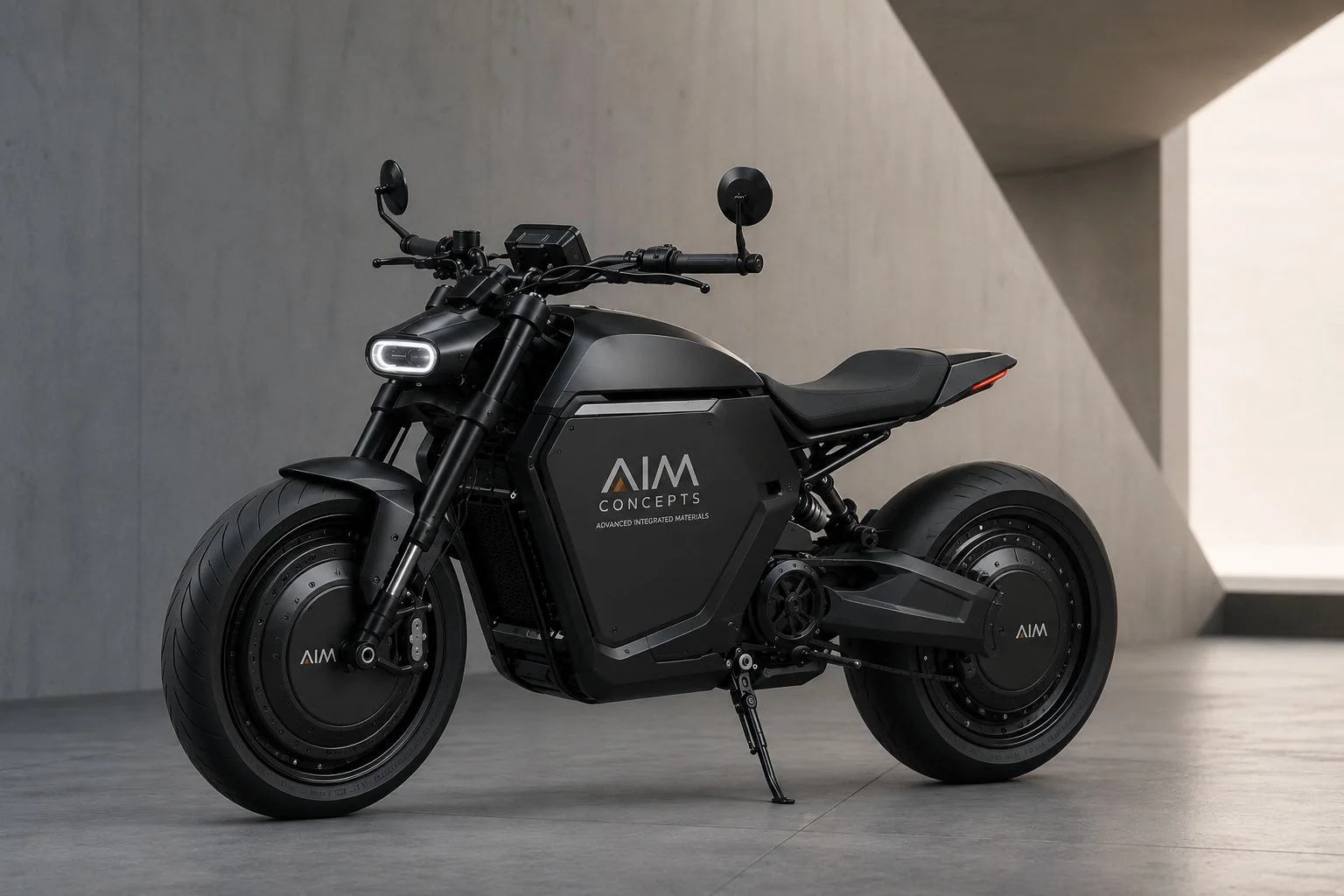
Concept study / mobility
A modular energy scenario for vehicle platforms.
This study explores a possible development pathway for urban and fleet mobility. It does not document a deployed fleet or a production vehicle.
Concept rendering · Development programme
Development scenario.
Operating context
Vehicle concepts raise different requirements for packaging, duty cycle and service access.
Proposed integration
A modular energy architecture could be adapted for vehicle platforms and controlled battery-exchange concepts.
Charging concepts
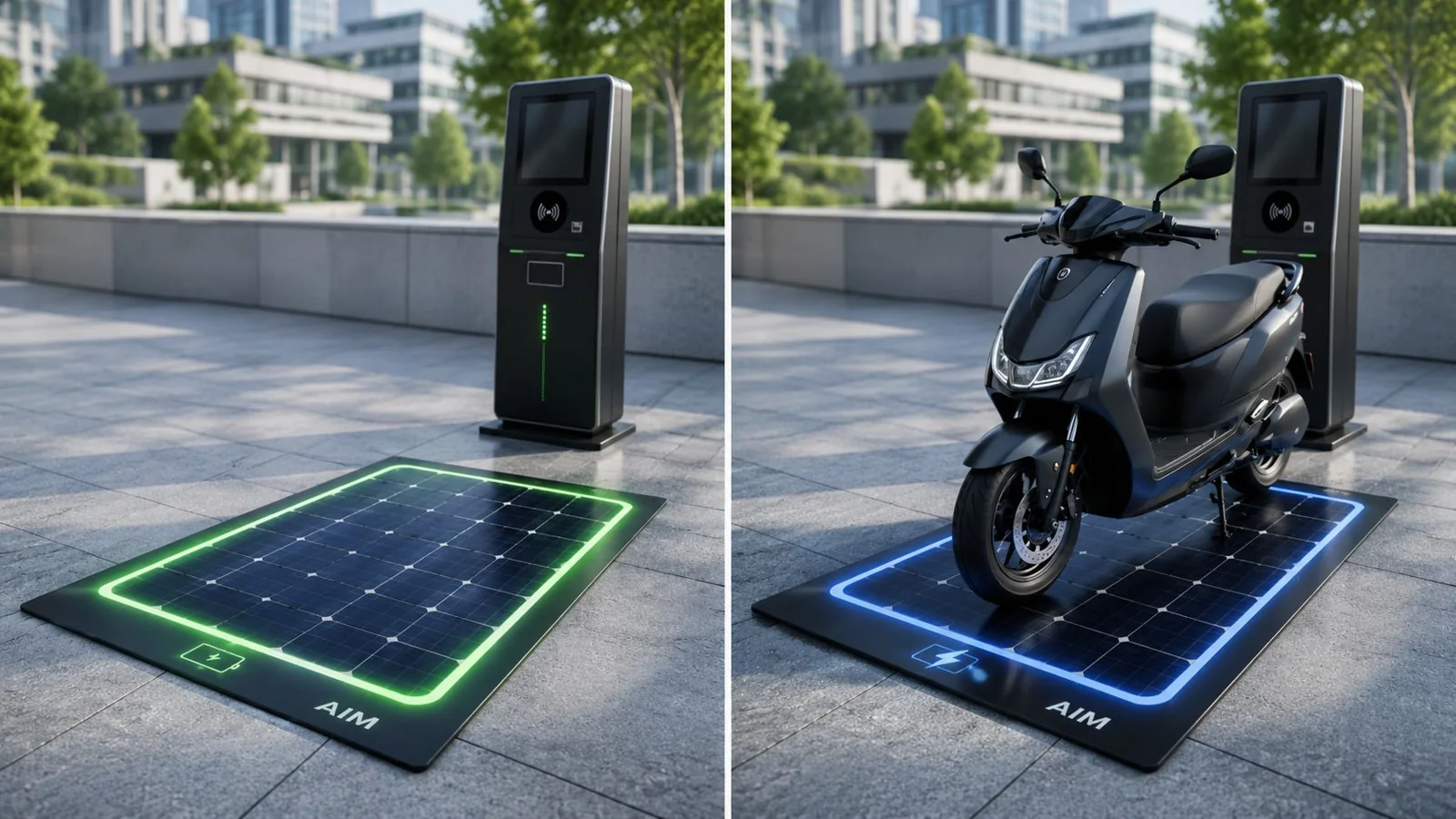
Solar-assisted charging can be explored as an application concept. Charging contribution depends on site conditions and has not been quantified here.
What needs to be demonstrated
Energy performance, exchange safety, integration durability and vehicle approval requirements need application-specific evidence.
Next: evidence at product and application level.
Review the validation programmeAn adaptable platform concept.
Vehicle architecture and energy interfaces under development.
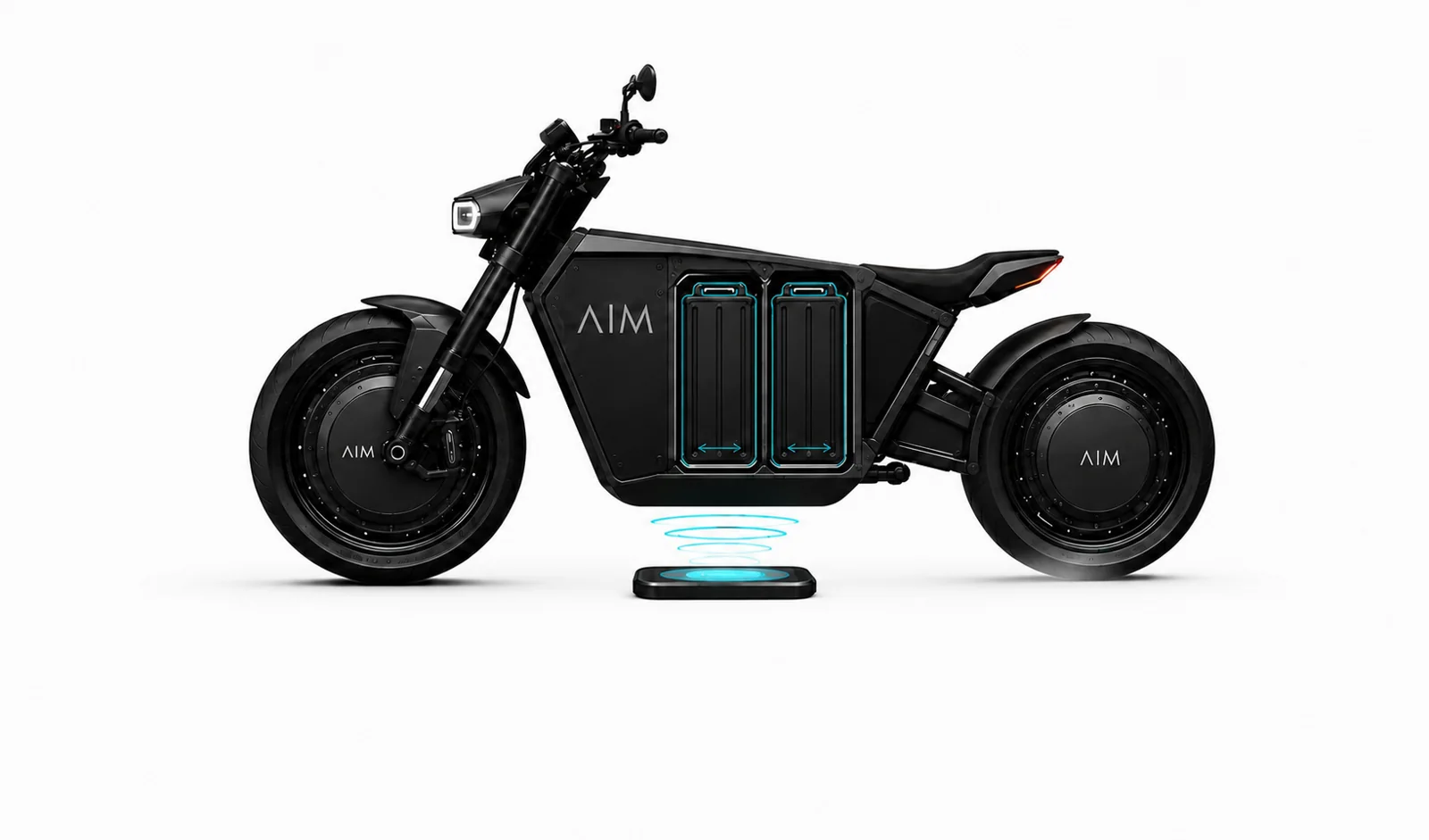
Packaging and structural integration.
A design exploration, not a tested mechanical specification.
Solar-assisted charging concepts.
Site conditions and application testing determine any achievable charging contribution.
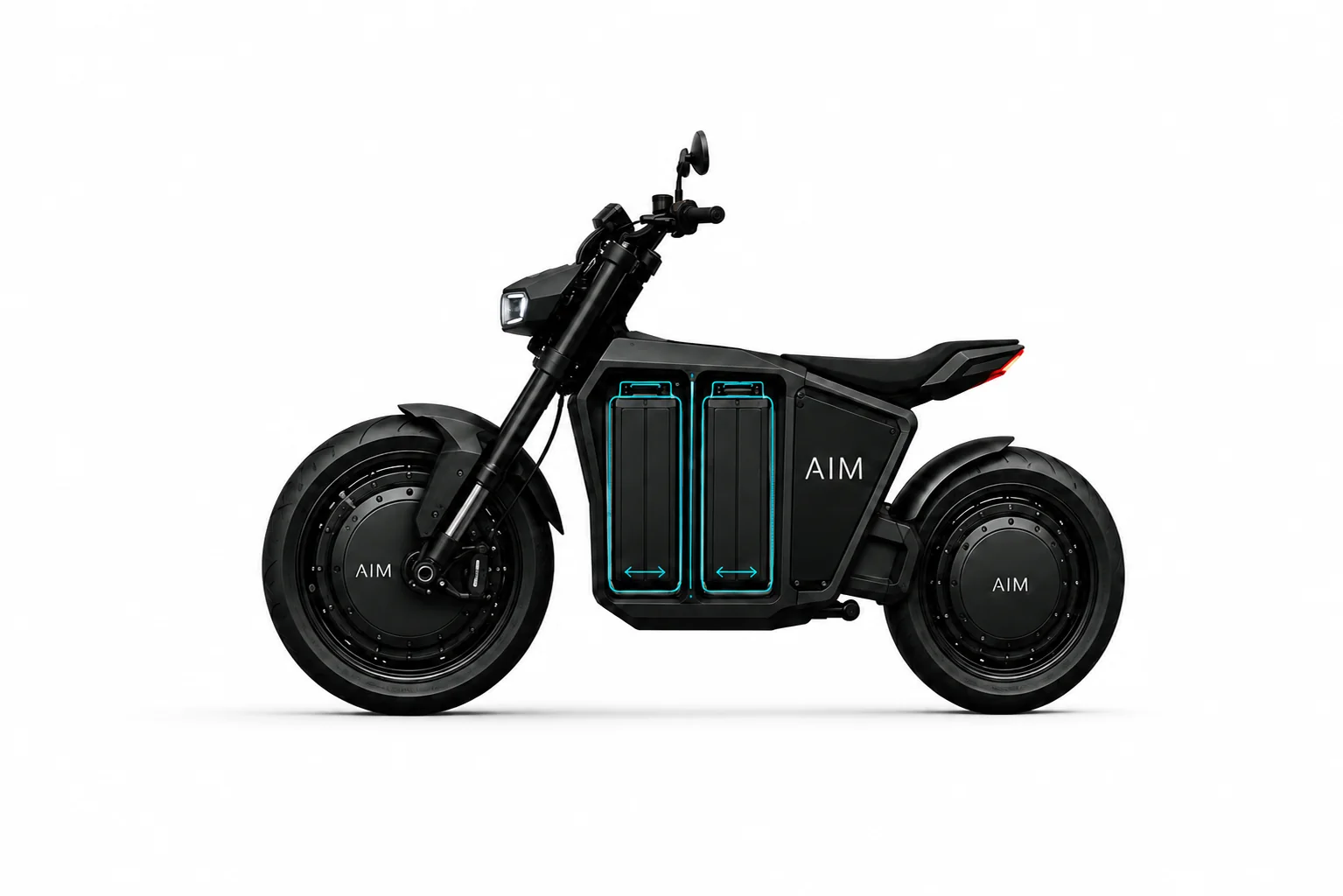
Module-exchange concept.
Safe conditions and exchange procedures require validation.
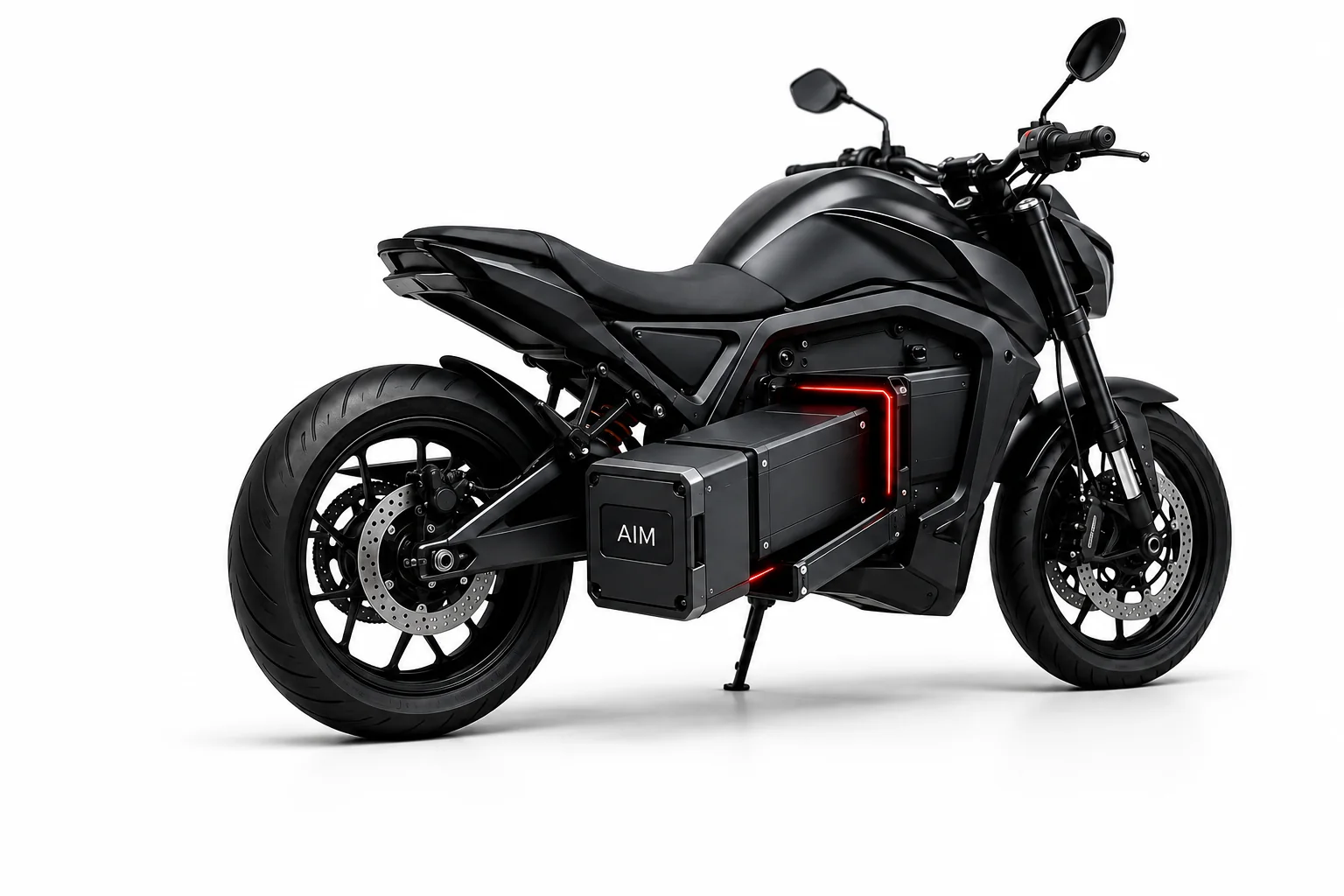
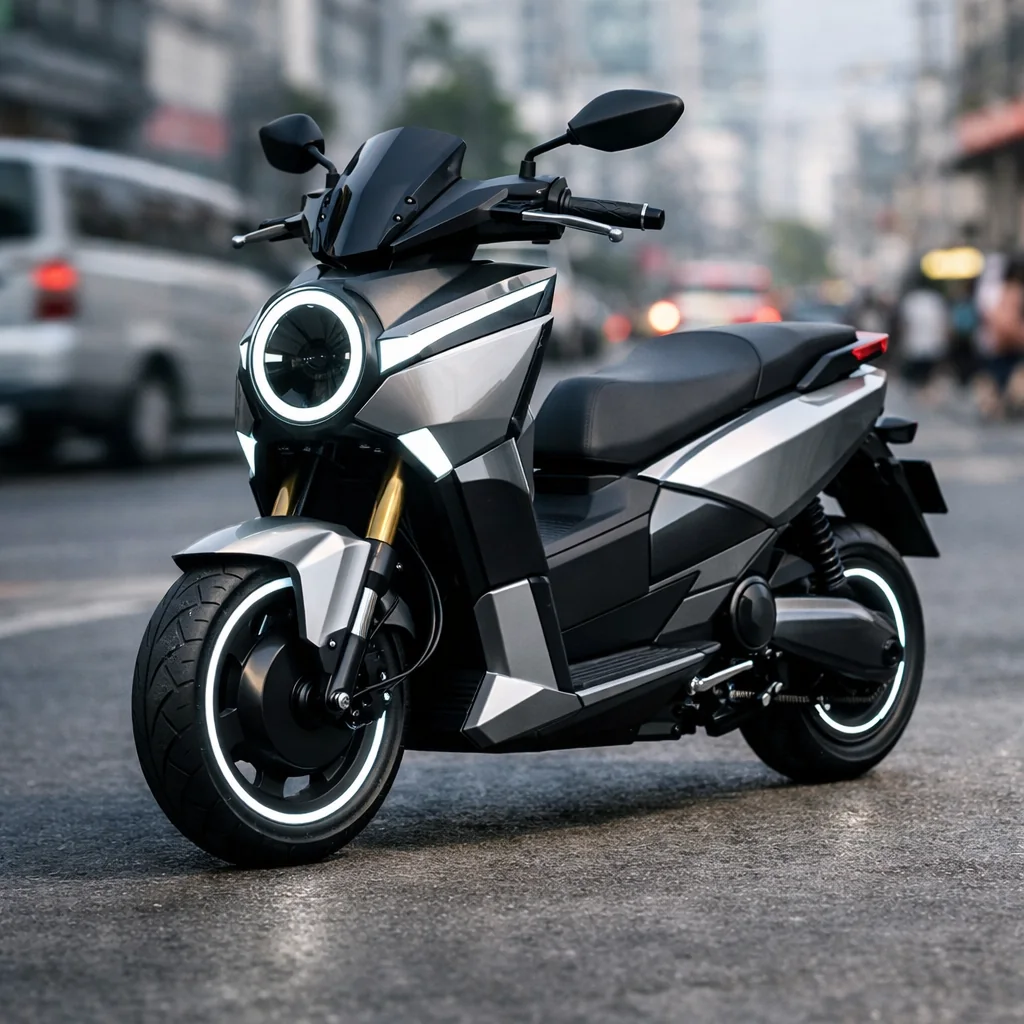
Further mobility renderings.
Supplied concept imagery explores charging, urban mobility and touring. These are illustrative development studies.

Build the next stage with AIM